Heating
Boiler and radiant heat repair
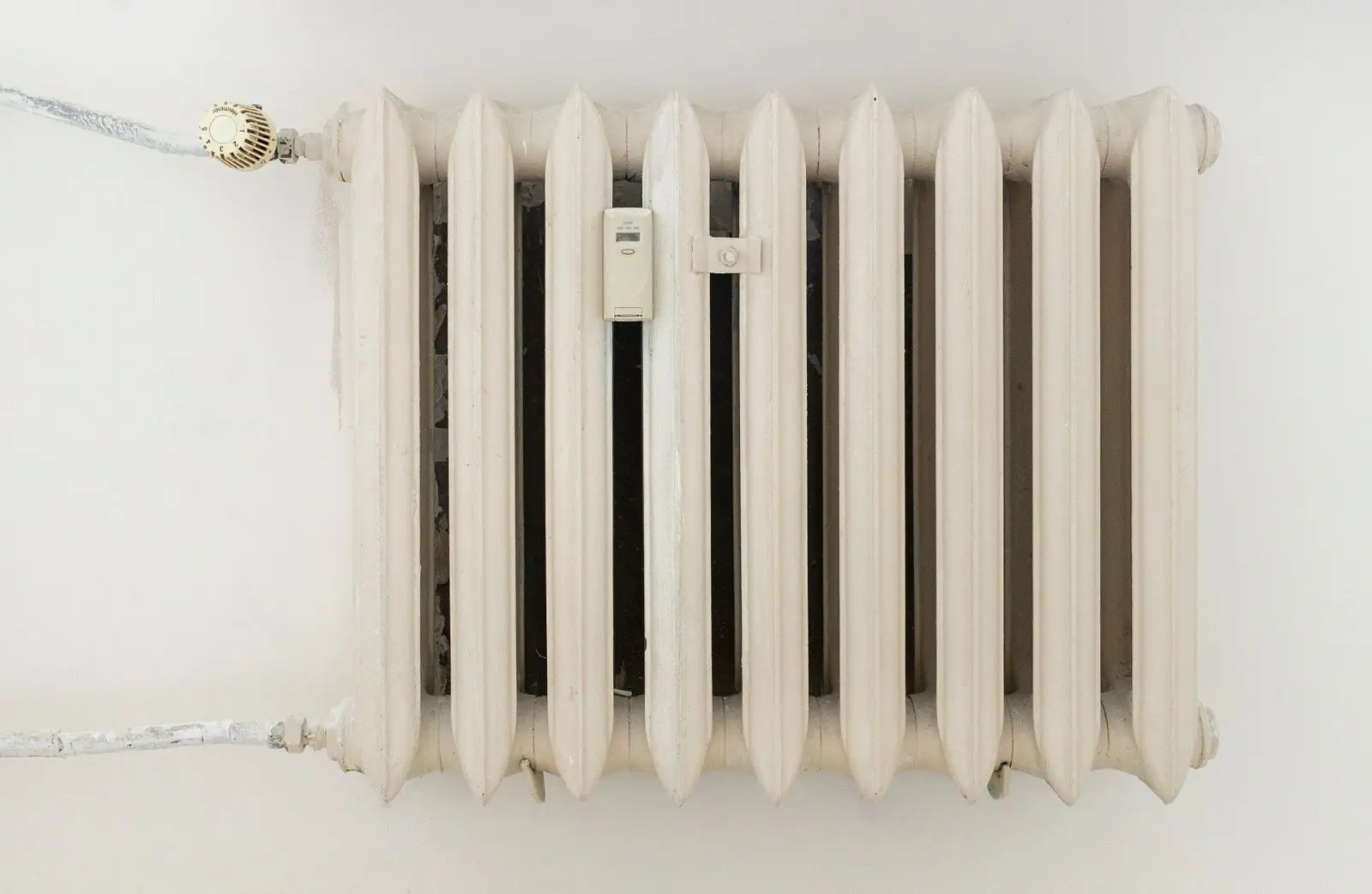
Boiler problems usually trace to low water or system pressure, air in the lines, a failed circulator pump, or ignition and control faults. A licensed technician checks pressure, the relief valve, expansion tank and combustion, then bleeds and balances the system.
- Licensed local HVAC contractor
- Diagnosis and price before work
- Same-day appointments when a local contractor has an opening
- Free to call, no obligation
Hot-water (hydronic) boilers should usually read about 12–20 psi when cold. Steam boilers run at very low pressure and depend on the right water level in the sight glass. Banging, gurgling or cold radiators each point to a different fault.
Boilers are common in older homes in the Northeast and Midwest. Parts for older cast-iron units can be hard to find, which makes a good technician's sourcing knowledge part of the repair.
Boiler & Radiant Heat Repair at a glance
- Category
- Heating
- Urgent service
- Often available, depending on local contractors
- Who does the work
- An independent, licensed HVAC contractor
- Quote
- Given after diagnosis, before work starts
Signs you need boiler & radiant heat repair
- Some radiators cold while others are hot
- Pressure gauge outside the normal range
- Water dripping from the relief valve
- Banging or hammering pipes
- Boiler short-cycling or locking out
What the technician does
- 1
Pressure and water level
Fill valve, expansion tank and relief valve checked on hydronic systems; sight glass and low-water cutoff on steam.
- 2
Circulation
Circulator pumps, zone valves and air separators tested; trapped air bled from radiators and loops.
- 3
Combustion and controls
Burner, igniter, aquastat and venting inspected and tested for safe operation.
- 4
Balance and verify
Zones heat evenly and the boiler cycles normally before the visit ends.
What affects the cost
Prices are set by the contractor after diagnosis. These are the factors that move the number most:
- Hydronic vs. steam system
- Pump, valve or control parts needed
- Age and parts availability
- Number of zones
Safe to check yourself
- Bleed radiators with a radiator key (hot-water systems)
- Note the pressure gauge reading
- Keep the area around the boiler clear
Leave to a pro
- Adding water to a hot, empty steam boiler
- Capping or plugging a dripping relief valve
- Adjusting the aquastat limit
Boiler & Radiant Heat Repair FAQ
What pressure should my boiler be at?
Most residential hot-water boilers run around 12–15 psi cold and up to roughly 20–25 psi hot. Steam boilers run under 2 psi. Check your boiler's manual and call if the relief valve is discharging.
Why are some radiators cold?
Usually trapped air, a stuck zone valve or a failing circulator pump. Bleeding the radiators fixes air; the others need a technician.
Should I replace an old boiler with a heat pump?
It's possible, but radiators and baseboards are sized for hot water. An air-to-water heat pump or a hybrid setup needs careful design, so get a heat-loss calculation first.
What is the difference between a steam and a hot-water boiler?
A steam boiler boils water and sends steam to radiators at very low pressure; a hot-water (hydronic) boiler circulates heated water with a pump. They have different controls, pressures and common problems.
Why is my boiler pressure relief valve leaking?
A dripping relief valve usually means system pressure is too high, often from a waterlogged expansion tank or a faulty fill valve. Never cap the relief valve; call for service.
How do I bleed a radiator?
With the system warm, open the small bleed valve at the top of the radiator with a radiator key until water appears, then close it. This applies to hot-water systems, not steam.
How long do boilers last?
Cast-iron boilers often last 25 years or more with maintenance; high-efficiency condensing boilers typically last 15–20 years.
What is a condensing boiler?
A condensing boiler recovers heat from its exhaust gases, reaching efficiencies above 90%. It works best when the system can run at lower water temperatures.
Last reviewed . General information, not a diagnosis of your system.
Popular cities for boiler & radiant heat repair
Get boiler & radiant heat repair from a local pro
One call connects you with an independent, licensed HVAC contractor who serves your ZIP code. It's free to call, and you get a quote before any work starts.
Free · No obligation