Short answer
Repair when the system is under about 10 years old and the fix is a single part. Lean toward replacement when it's past 12–15 years, uses R-22 refrigerant, needs a compressor, coil or heat exchanger, or has needed several repairs in two seasons.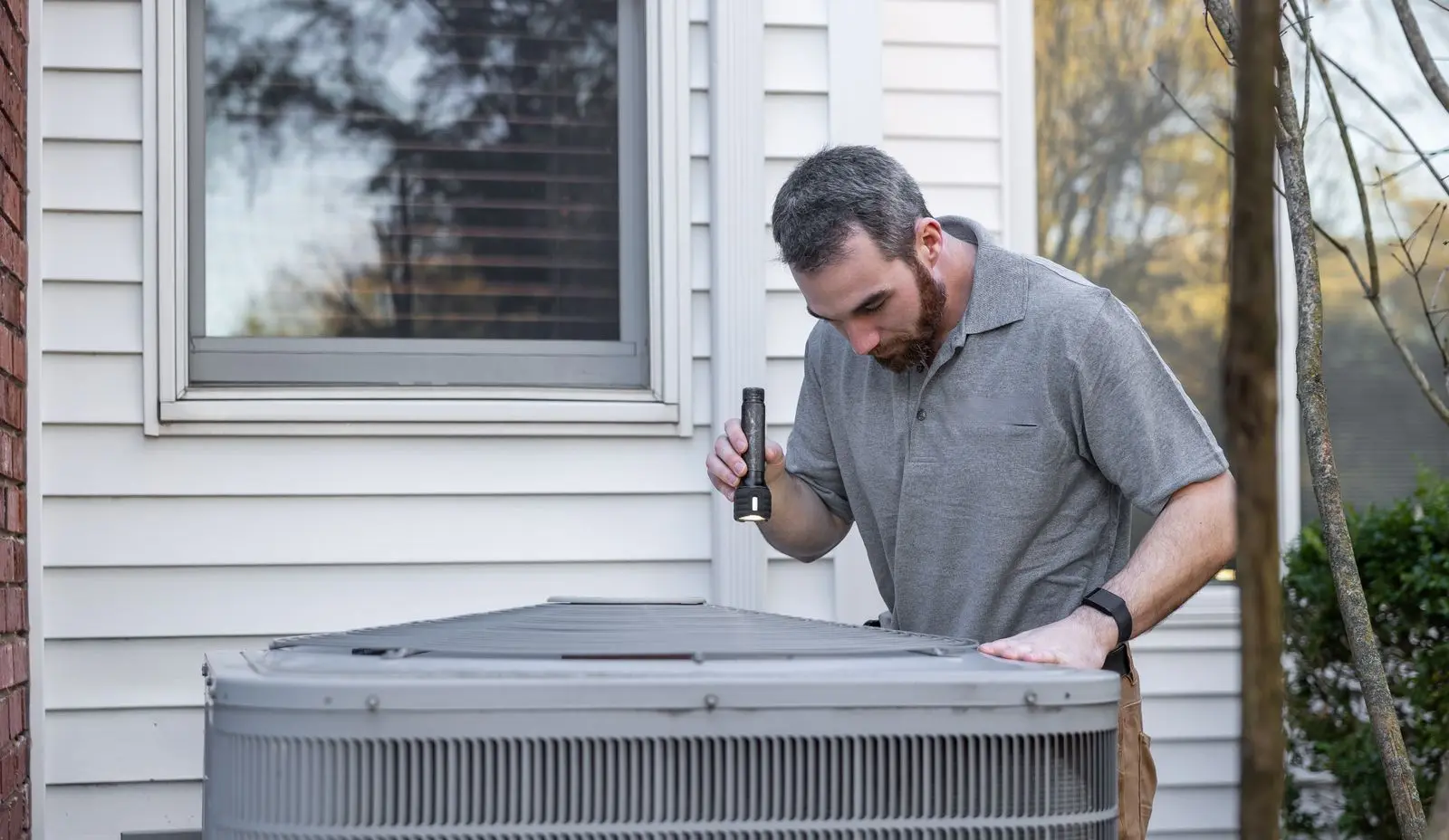
A simple rule of thumb
Multiply the system's age by the repair cost. If that number is more than the cost of a new system, replacement is usually the better value. It's not perfect, but it frames the decision.
Strong signs to replace
These change the math quickly.
- Compressor, coil or heat exchanger failure
- R-22 refrigerant system needing a recharge
- Cracked furnace heat exchanger
- Comfort problems even when it's working
- Repeated breakdowns
When repair is the right call
Capacitors, contactors, igniters, flame sensors, fan motors and drain problems are normal wear items. Fixing them on a sound system is almost always worth it.
Get the information you need
Ask the technician for the failed part, the system's age and condition, and both a repair and a replacement price.
Common questions
How long do HVAC systems last?
Central AC and heat pumps often last 12–15 years, gas furnaces 15–20 years, and boilers longer, depending on climate and maintenance.
Should I replace AC and furnace together?
If both are old, often yes; matched equipment works better and you pay for installation once.
This guide is general information, not a diagnosis. HVAC systems vary; a licensed technician should inspect yours before repairs.